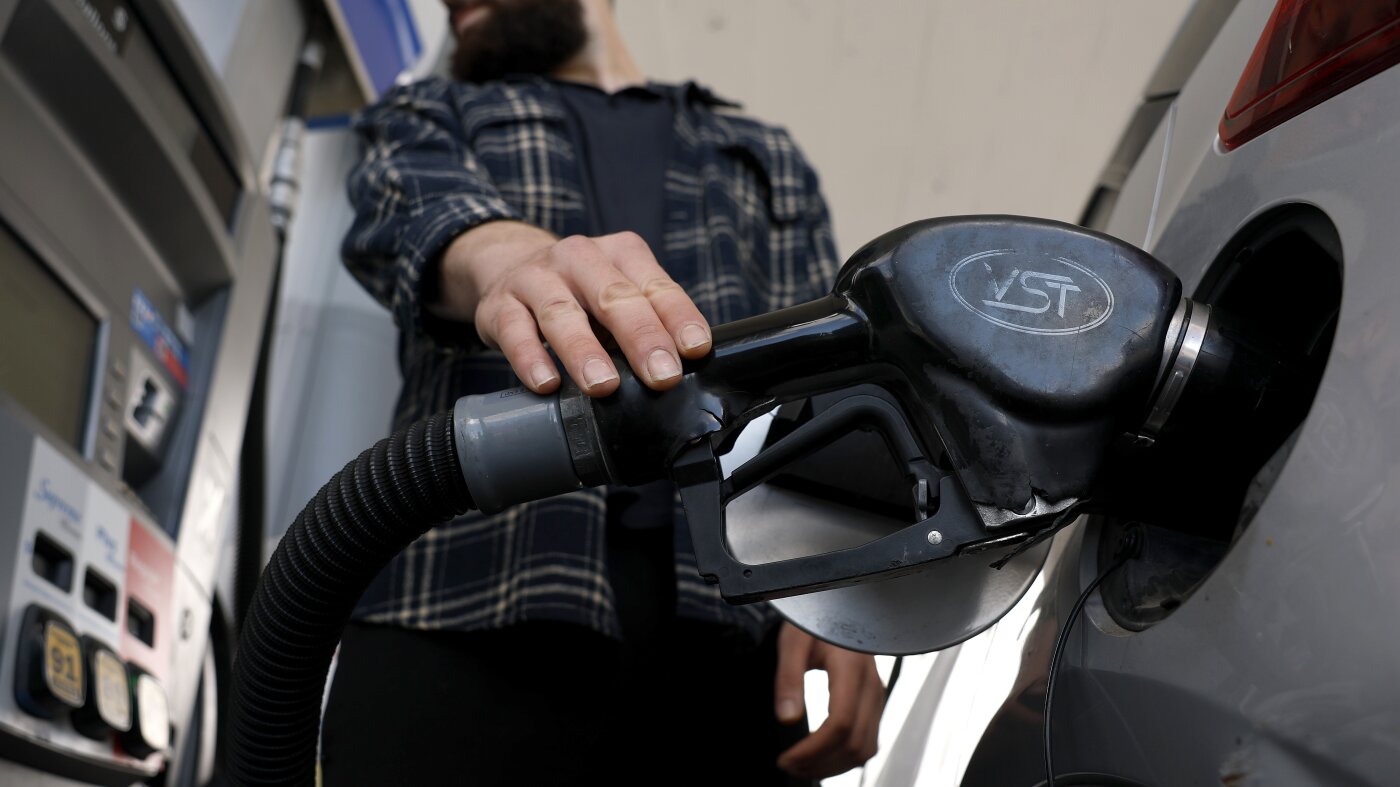
Financial Markets- Join free today and access exclusive investing benefits including high-upside stock ideas, portfolio management guidance, and professional market intelligence. The national average for a gallon of gasoline has reached $4.55 as America enters one of the busiest travel weekends of the year. Consumers seeking to cut costs are evaluating options ranging from driving slower to considering electric vehicles or reducing travel altogether.
Live News
Financial Markets- Historical patterns still play a role even in a real-time world. Some investors use past price movements to inform current decisions, combining them with real-time feeds to anticipate volatility spikes or trend reversals. Diversification in analysis methods can reduce the risk of error. Using multiple perspectives improves reliability. As reported by NPR, the national average price for a gallon of gasoline stands at $4.55, a level that coincides with one of the busiest travel weekends in the United States. The report highlights several potential strategies for drivers to lower their fuel expenses. These include adjusting driving habits—such as reducing speed and avoiding rapid acceleration—maintaining proper tire pressure, and using cruise control on highways. Other suggestions involve shifting to electric vehicles, carpooling, using public transportation, or simply choosing not to drive when possible. The $4.55 figure reflects the latest available data on the national average, underscoring the financial pressure on households planning holiday travel. The options presented range from immediate behavioral changes to longer-term vehicle transitions, all aimed at reducing per-mile costs.
Gas Prices Hit $4.55 Per Gallon: Strategies for Consumers to Reduce Fuel Costs Ahead of Holiday Travel The increasing availability of commodity data allows equity traders to track potential supply chain effects. Shifts in raw material prices often precede broader market movements.Observing correlations between markets can reveal hidden opportunities. For example, energy price shifts may precede changes in industrial equities, providing actionable insight.Gas Prices Hit $4.55 Per Gallon: Strategies for Consumers to Reduce Fuel Costs Ahead of Holiday Travel Historical volatility is often combined with live data to assess risk-adjusted returns. This provides a more complete picture of potential investment outcomes.Real-time monitoring of multiple asset classes allows for proactive adjustments. Experts track equities, bonds, commodities, and currencies in parallel, ensuring that portfolio exposure aligns with evolving market conditions.
Key Highlights
Financial Markets- Many investors now incorporate global news and macroeconomic indicators into their market analysis. Events affecting energy, metals, or agriculture can influence equities indirectly, making comprehensive awareness critical. Some traders rely on patterns derived from futures markets to inform equity trades. Futures often provide leading indicators for market direction. Key takeaways from this report revolve around the impact of elevated gasoline prices on consumer behavior and broader economic patterns. The $4.55 average may influence travel plans, with some families choosing shorter trips or alternative modes of transport. Historically, periods of high fuel costs have accelerated interest in fuel-efficient vehicles and electric vehicle adoption. Additionally, higher gasoline prices can ripple through the economy, potentially affecting discretionary spending in other categories such as dining out or entertainment. The timing—ahead of a major travel weekend—amplifies the relevance of cost-cutting strategies. While the report does not specify how long prices might remain at this level, market expectations suggest that crude oil supply dynamics and refinery capacity could keep prices elevated in the near term, though conditions may change based on global demand and policy decisions.
Gas Prices Hit $4.55 Per Gallon: Strategies for Consumers to Reduce Fuel Costs Ahead of Holiday Travel Investors may adjust their strategies depending on market cycles. What works in one phase may not work in another.Some investors use scenario analysis to anticipate market reactions under various conditions. This method helps in preparing for unexpected outcomes and ensures that strategies remain flexible and resilient.Gas Prices Hit $4.55 Per Gallon: Strategies for Consumers to Reduce Fuel Costs Ahead of Holiday Travel Real-time data can highlight momentum shifts early. Investors who detect these changes quickly can capitalize on short-term opportunities.Real-time updates are particularly valuable during periods of high volatility. They allow traders to adjust strategies quickly as new information becomes available.
Expert Insights
Financial Markets- Real-time market tracking has made day trading more feasible for individual investors. Timely data reduces reaction times and improves the chance of capitalizing on short-term movements. Analyzing intermarket relationships provides insights into hidden drivers of performance. For instance, commodity price movements often impact related equity sectors, while bond yields can influence equity valuations, making holistic monitoring essential. Investment implications from the current gasoline price environment warrant cautious consideration. Higher fuel costs may benefit oil and natural gas producers, as their revenues could increase with sustained prices. Conversely, sectors such as airlines, logistics, and consumer discretionary—especially travel and tourism—could face margin pressure if demand softens due to higher transportation expenses. Electric vehicle manufacturers and providers of energy-efficient technologies might see increased consumer interest, potentially supporting their market positions. However, any investment decisions should be based on a range of factors, including long-term trends, regulatory changes, and company-specific fundamentals. No fixed price targets or timing predictions can be justified from this single data point. The $4.55 average serves as a reference for current conditions, but future movements in gasoline prices remain subject to global supply, geopolitical events, and macroeconomic shifts. Disclaimer: This analysis is for informational purposes only and does not constitute investment advice.
Gas Prices Hit $4.55 Per Gallon: Strategies for Consumers to Reduce Fuel Costs Ahead of Holiday Travel Some traders focus on short-term price movements, while others adopt long-term perspectives. Both approaches can benefit from real-time data, but their interpretation and application differ significantly.Maintaining detailed trade records is a hallmark of disciplined investing. Reviewing historical performance enables professionals to identify successful strategies, understand market responses, and refine models for future trades. Continuous learning ensures adaptive and informed decision-making.Gas Prices Hit $4.55 Per Gallon: Strategies for Consumers to Reduce Fuel Costs Ahead of Holiday Travel Some investors prioritize clarity over quantity. While abundant data is useful, overwhelming dashboards may hinder quick decision-making.Some investors prioritize simplicity in their tools, focusing only on key indicators. Others prefer detailed metrics to gain a deeper understanding of market dynamics.