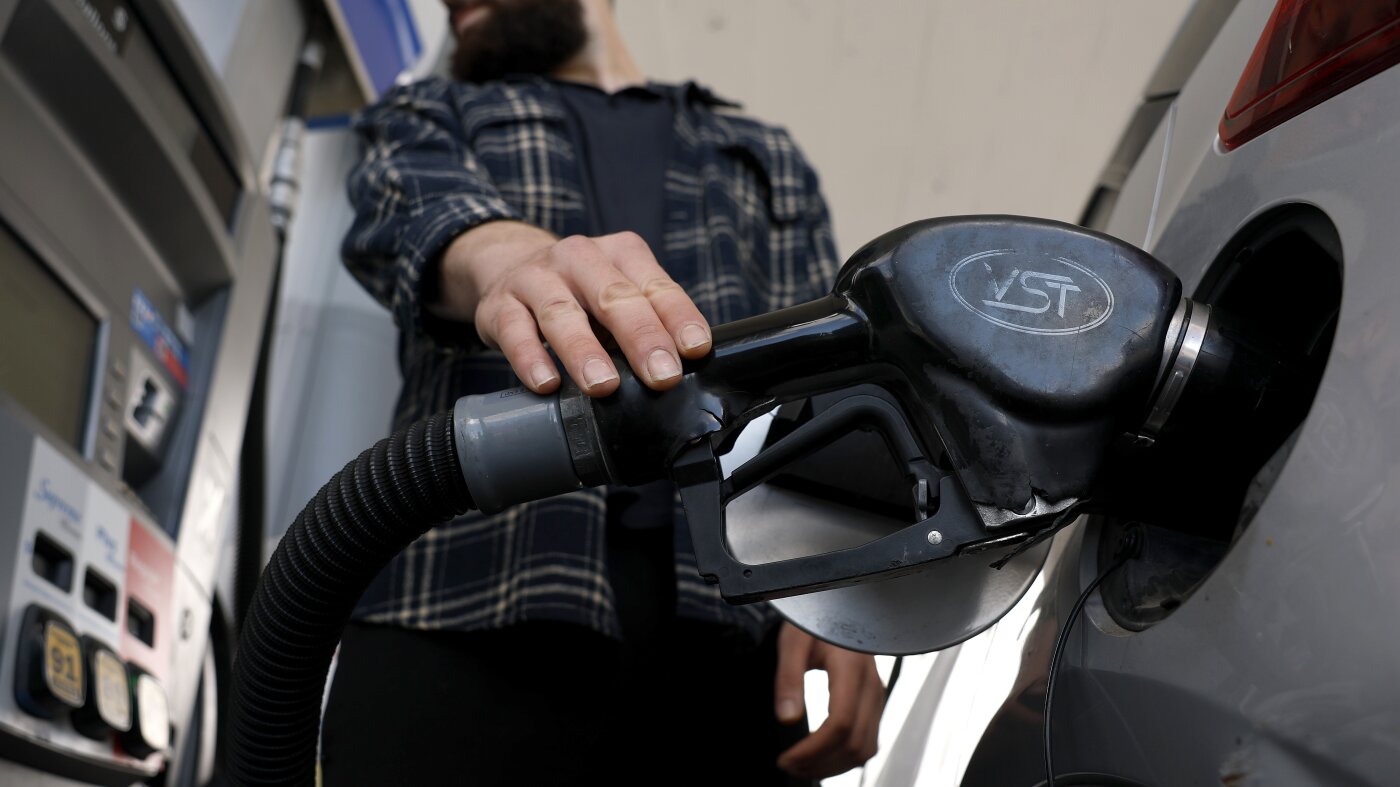
Gas Saving Strategies 2026 - corporate earnings, revenue guidance, and expectations tracking. With the national average for a gallon of gasoline reaching $4.55, American consumers face rising fuel costs just ahead of one of the busiest travel weekends. Options to cut expenses include reducing speed, shifting to electric vehicles, or avoiding driving altogether, as households look to manage transportation budgets.
Live News
Gas Saving Strategies 2026 - corporate earnings, revenue guidance, and expectations tracking. Investors often experiment with different analytical methods before finding the approach that suits them best. What works for one trader may not work for another, highlighting the importance of personalization in strategy design. According to the latest market data, the national average for a gallon of gasoline now stands at $4.55, marking a significant increase as the United States enters one of the most travel-intensive periods of the year. This price level pressures consumer budgets and forces households to evaluate driving habits and vehicle choices. The primary strategies being discussed to reduce fuel expenses include moderating driving speed, which could improve fuel efficiency by reducing aerodynamic drag. Another option involves transitioning to electric vehicles (EVs), which may offer lower per-mile energy costs compared to gasoline-powered alternatives. A third approach is to reduce or eliminate driving altogether, such as by consolidating trips, using public transportation, or staying home for the holiday weekend. These options collectively aim to help consumers offset the impact of elevated gas prices on their monthly spending.
Gas Prices Hit $4.55: Consumers Weigh Driving Slower, Going Electric, and Staying Home Market participants frequently adjust their analytical approach based on changing conditions. Flexibility is often essential in dynamic environments.Investors often monitor sector rotations to inform allocation decisions. Understanding which sectors are gaining or losing momentum helps optimize portfolios.Gas Prices Hit $4.55: Consumers Weigh Driving Slower, Going Electric, and Staying Home Real-time updates can help identify breakout opportunities. Quick action is often required to capitalize on such movements.Real-time alerts can help traders respond quickly to market events. This reduces the need for constant manual monitoring.
Key Highlights
Gas Saving Strategies 2026 - corporate earnings, revenue guidance, and expectations tracking. While data access has improved, interpretation remains crucial. Traders may observe similar metrics but draw different conclusions depending on their strategy, risk tolerance, and market experience. Developing analytical skills is as important as having access to data. The $4.55 national average carries broader implications for consumer behavior and the wider economy. Higher gasoline prices typically lead to reduced discretionary spending in other areas, as households allocate a larger share of income to transportation. This shift could weigh on retail sales, travel-related industries, and overall economic growth in the near term. Additionally, the focus on fuel efficiency may accelerate interest in electric vehicles, potentially influencing automakers' production strategies and charging infrastructure investments. However, the high upfront cost of EVs and limited charging availability in some regions could temper adoption rates. Consumers may also turn to fuel-savvy driving techniques, such as gradual acceleration and reduced idling, as immediate cost-cutting measures.
Gas Prices Hit $4.55: Consumers Weigh Driving Slower, Going Electric, and Staying Home Observing market cycles helps in timing investments more effectively. Recognizing phases of accumulation, expansion, and correction allows traders to position themselves strategically for both gains and risk management.Real-time analytics can improve intraday trading performance, allowing traders to identify breakout points, trend reversals, and momentum shifts. Using live feeds in combination with historical context ensures that decisions are both informed and timely.Gas Prices Hit $4.55: Consumers Weigh Driving Slower, Going Electric, and Staying Home Stress-testing investment strategies under extreme conditions is a hallmark of professional discipline. By modeling worst-case scenarios, experts ensure capital preservation and identify opportunities for hedging and risk mitigation.Understanding cross-border capital flows informs currency and equity exposure. International investment trends can shift rapidly, affecting asset prices and creating both risk and opportunity for globally diversified portfolios.
Expert Insights
Gas Saving Strategies 2026 - corporate earnings, revenue guidance, and expectations tracking. Sentiment analysis has emerged as a complementary tool for traders, offering insight into how market participants collectively react to news and events. This information can be particularly valuable when combined with price and volume data for a more nuanced perspective. From an investment perspective, sustained high gasoline prices could create tailwinds for sectors tied to energy efficiency and alternative transportation. Companies specializing in EV manufacturing, battery technology, and public transit solutions might see increased demand if consumer habits shift permanently. Conversely, industries dependent on high travel volumes—such as airlines, hotels, and entertainment venues—could face headwinds if consumers reduce road trips. It remains uncertain whether the $4.55 level will persist or moderate after the holiday period. Market expectations for oil supply and demand, geopolitical factors, and potential government policy responses may all influence future price trends. Investors should consider these variables cautiously, as fuel costs affect a broad range of sectors without guaranteeing specific outcomes. Disclaimer: This analysis is for informational purposes only and does not constitute investment advice.
Gas Prices Hit $4.55: Consumers Weigh Driving Slower, Going Electric, and Staying Home Combining different types of data reduces blind spots. Observing multiple indicators improves confidence in market assessments.Observing correlations between markets can reveal hidden opportunities. For example, energy price shifts may precede changes in industrial equities, providing actionable insight.Gas Prices Hit $4.55: Consumers Weigh Driving Slower, Going Electric, and Staying Home Understanding macroeconomic cycles enhances strategic investment decisions. Expansionary periods favor growth sectors, whereas contraction phases often reward defensive allocations. Professional investors align tactical moves with these cycles to optimize returns.Observing how global markets interact can provide valuable insights into local trends. Movements in one region often influence sentiment and liquidity in others.