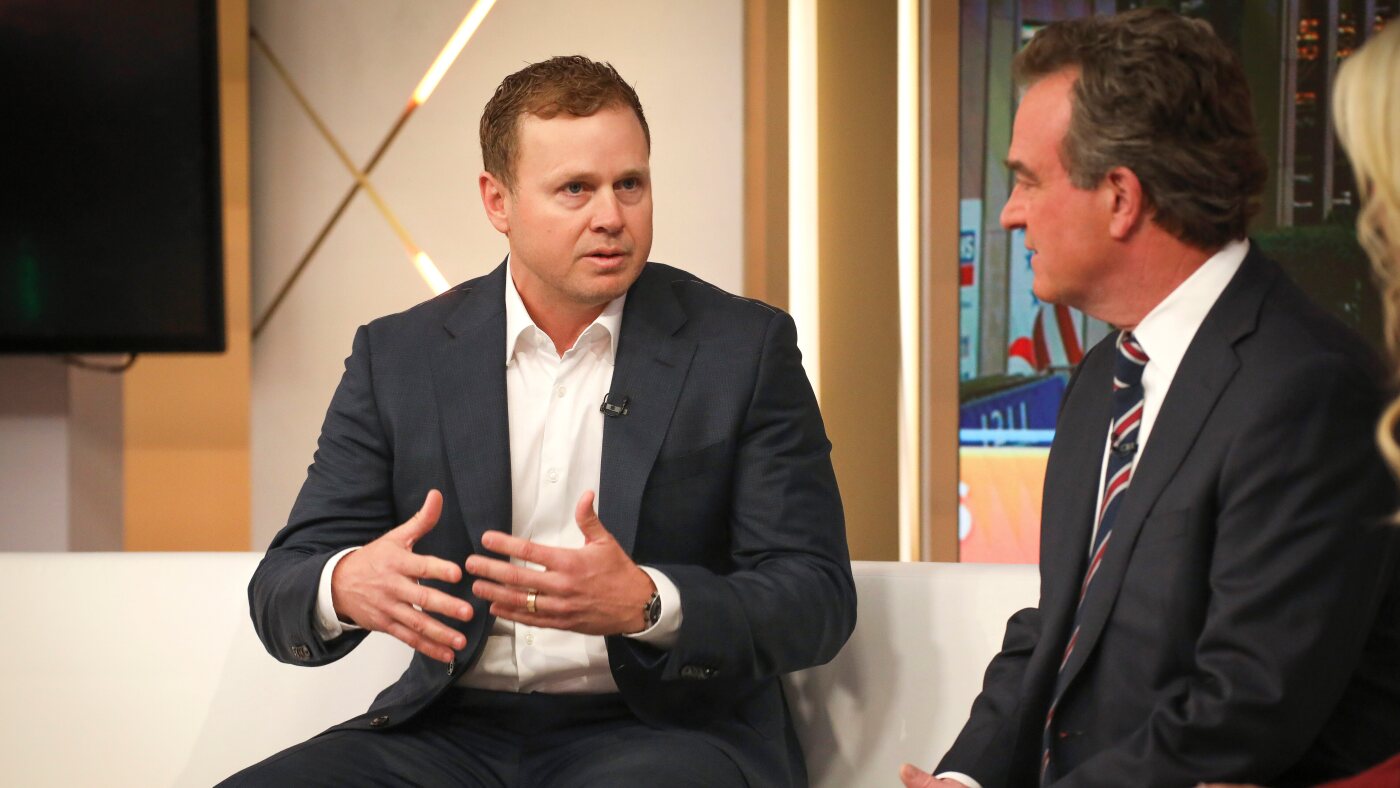
performance patterns The platform tracks financial markets with attention to earnings results, valuation changes, and investor sentiment. Spencer Pratt, a former reality TV personality, is leveraging social media with edgy humor, AI-generated content, and combative rhetoric as a potential campaign strategy for Los Angeles mayor. Political experts suggest this approach might represent the future of online campaigning, highlighting the evolving intersection of entertainment, technology, and politics.
Live News
performance patterns Observing correlations between markets can reveal hidden opportunities. For example, energy price shifts may precede changes in industrial equities, providing actionable insight. Analytical dashboards are most effective when personalized. Investors who tailor their tools to their strategy can avoid irrelevant noise and focus on actionable insights. Spencer Pratt, best known for his role on the reality series The Hills, has been flooding social media platforms with a mix of provocative content designed to capture attention. According to a recent NPR report, Pratt's strategy includes edgy humor, what some describe as "AI slop" (low-effort, algorithm-baiting AI-generated posts), and combative rhetoric aimed at engaging the "very online" voter demographic. The former TV star appears to be testing whether this unconventional approach can translate into political viability for a potential run for mayor of Los Angeles. Political experts quoted in the report view Pratt's tactics as a potential blueprint for the future of online campaigning. The strategy capitalizes on existing social media trends that prioritize engagement over substance, using algorithms to amplify reach. Pratt's content blend mirrors techniques used by some fringe political figures and digital influencers who have successfully built large followings without traditional media gatekeeping. The report notes that this approach may signal a shift in how candidates cultivate support, especially among younger, internet-savvy voters who are increasingly skeptical of conventional political messaging.
Spencer Pratt's Social Media Strategy: Could a Reality TV Star's Online Tactics Reshape Political Campaigning? Scenario planning prepares investors for unexpected volatility. Multiple potential outcomes allow for preemptive adjustments.Scenario-based stress testing is essential for identifying vulnerabilities. Experts evaluate potential losses under extreme conditions, ensuring that risk controls are robust and portfolios remain resilient under adverse scenarios.Spencer Pratt's Social Media Strategy: Could a Reality TV Star's Online Tactics Reshape Political Campaigning? Data-driven decision-making does not replace judgment. Experienced traders interpret numbers in context to reduce errors.Data visualization improves comprehension of complex relationships. Heatmaps, graphs, and charts help identify trends that might be hidden in raw numbers.
Key Highlights
performance patterns Combining technical indicators with broader market data can enhance decision-making. Each method provides a different perspective on price behavior. Access to reliable, continuous market data is becoming a standard among active investors. It allows them to respond promptly to sudden shifts, whether in stock prices, energy markets, or agricultural commodities. The combination of speed and context often distinguishes successful traders from the rest. Key takeaways from Pratt's emerging campaign strategy include the potential normalization of AI-generated content in political communications. By using "AI slop"—automated or semi-automated posts that exploit trending topics—Pratt's method suggests that future candidates might rely on machine-generated material to sustain constant social media presence at low cost. This could have implications for advertising spending, as organic viral content may reduce the need for paid media buys. Additionally, the combative rhetoric may reflect a broader trend in online political discourse, where conflict-driven engagement drives algorithmic promotion. For media and technology companies operating social platforms, such strategies could lead to increased user activity but also potential regulatory scrutiny over content moderation and election integrity. The approach may also influence how political consulting firms design digital campaigns, emphasizing rapid, reactive content creation over long-form policy discussions. If Pratt's method gains traction, it could reshape the economics of political outreach, particularly for candidates with limited traditional campaign funds.
Spencer Pratt's Social Media Strategy: Could a Reality TV Star's Online Tactics Reshape Political Campaigning? Market behavior is often influenced by both short-term noise and long-term fundamentals. Differentiating between temporary volatility and meaningful trends is essential for maintaining a disciplined trading approach.Cross-market observations reveal hidden opportunities and correlations. Awareness of global trends enhances portfolio resilience.Spencer Pratt's Social Media Strategy: Could a Reality TV Star's Online Tactics Reshape Political Campaigning? The interplay between macroeconomic factors and market trends is a critical consideration. Changes in interest rates, inflation expectations, and fiscal policy can influence investor sentiment and create ripple effects across sectors. Staying informed about broader economic conditions supports more strategic planning.Investors may adjust their strategies depending on market cycles. What works in one phase may not work in another.
Expert Insights
performance patterns Predictive tools provide guidance rather than instructions. Investors adjust recommendations based on their own strategy. Understanding macroeconomic cycles enhances strategic investment decisions. Expansionary periods favor growth sectors, whereas contraction phases often reward defensive allocations. Professional investors align tactical moves with these cycles to optimize returns. From an investment perspective, the rise of unconventional online campaigning could have several implications for sectors related to digital media and advertising. Social media platforms like Meta (Facebook, Instagram), X (formerly Twitter), and TikTok may see increased political ad revenue if more candidates adopt similar strategies, but could also face heightened regulatory risks if misinformation or AI-generated content becomes a concern. Companies providing AI content generation tools might see growing demand from political campaigns, though ethical debates could temper adoption. Political consulting and data analytics firms—such as those specializing in digital targeting—would likely expand their services to include AI-driven content strategies. However, the long-term effectiveness of such tactics remains uncertain, as voter fatigue or platform algorithm changes could reduce their impact. The Pratt example underscores a potential shift toward entertainment-infused politics, which may attract new audiences but also risk alienating traditional voters. Investors should monitor how regulatory bodies respond to the use of AI in campaign messaging, as any new rules could affect the cost and structure of digital political operations. As always, the ultimate success of any candidate's strategy is subject to voter behavior and electoral dynamics that are inherently unpredictable. Disclaimer: This analysis is for informational purposes only and does not constitute investment advice.
Spencer Pratt's Social Media Strategy: Could a Reality TV Star's Online Tactics Reshape Political Campaigning? The increasing availability of commodity data allows equity traders to track potential supply chain effects. Shifts in raw material prices often precede broader market movements.Some traders rely on patterns derived from futures markets to inform equity trades. Futures often provide leading indicators for market direction.Spencer Pratt's Social Media Strategy: Could a Reality TV Star's Online Tactics Reshape Political Campaigning? Seasonal and cyclical patterns remain relevant for certain asset classes. Professionals factor in recurring trends, such as commodity harvest cycles or fiscal year reporting periods, to optimize entry points and mitigate timing risk.Traders often adjust their approach according to market conditions. During high volatility, data speed and accuracy become more critical than depth of analysis.