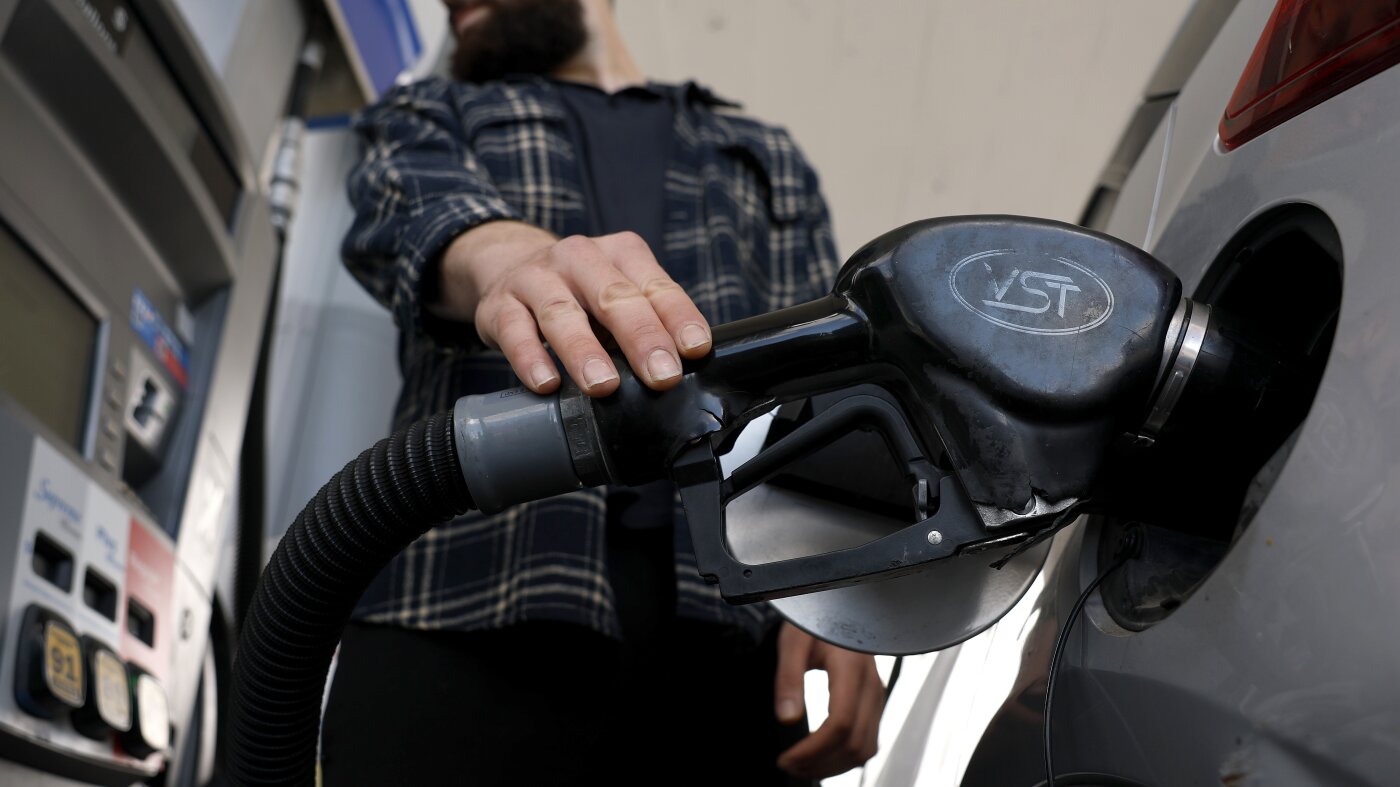
performance metrics The platform tracks financial markets with attention to earnings results, valuation changes, and investor sentiment. The national average gasoline price has reached $4.55 per gallon as America heads into one of the busiest travel weekends of the year. Drivers are exploring various methods to cut fuel costs, including slower driving, transitioning to electric vehicles, or reducing travel altogether. This consumer behavior shift may signal broader changes in energy consumption patterns.
Live News
performance metrics Some traders focus on short-term price movements, while others adopt long-term perspectives. Both approaches can benefit from real-time data, but their interpretation and application differ significantly. Predictive analytics combined with historical benchmarks increases forecasting accuracy. Experts integrate current market behavior with long-term patterns to develop actionable strategies while accounting for evolving market structures. According to recently released data, the national average price for a gallon of gasoline stands at $4.55, coinciding with a peak travel period in the United States. The source news highlights several options consumers are considering to mitigate rising fuel expenses. These options include driving at slower speeds to improve fuel efficiency, switching to electric vehicles (EVs) for lower per-mile costs, and in some cases, avoiding driving entirely by using alternative transportation or staying home. The advice reflects a practical response to elevated pump prices, which have become a significant household budget concern. While the source does not specify exact savings percentages, it suggests that even modest behavioral changes could reduce gasoline consumption. The busy travel weekend context underscores the tension between seasonal mobility demands and financial constraints, potentially influencing near-term fuel demand.
As Gas Prices Surge Past $4.55, Consumers Seek Fuel-Saving Strategies Amid Busy Travel Weekend Cross-asset analysis helps identify hidden opportunities. Traders can capitalize on relationships between commodities, equities, and currencies.Some investors find that using dashboards with aggregated market data helps streamline analysis. Instead of jumping between platforms, they can view multiple asset classes in one interface. This not only saves time but also highlights correlations that might otherwise go unnoticed.As Gas Prices Surge Past $4.55, Consumers Seek Fuel-Saving Strategies Amid Busy Travel Weekend Real-time updates allow for rapid adjustments in trading strategies. Investors can reallocate capital, hedge positions, or take profits quickly when unexpected market movements occur.Historical price patterns can provide valuable insights, but they should always be considered alongside current market dynamics. Indicators such as moving averages, momentum oscillators, and volume trends can validate trends, but their predictive power improves significantly when combined with macroeconomic context and real-time market intelligence.
Key Highlights
performance metrics Economic policy announcements often catalyze market reactions. Interest rate decisions, fiscal policy updates, and trade negotiations influence investor behavior, requiring real-time attention and responsive adjustments in strategy. Investors increasingly view data as a supplement to intuition rather than a replacement. While analytics offer insights, experience and judgment often determine how that information is applied in real-world trading. The $4.55 average gasoline price represents a notable cost burden for consumers, possibly affecting travel plans and discretionary spending. Key takeaways from the current situation include: first, the high price level may accelerate consumer interest in fuel-efficient vehicles, including hybrids and fully electric models, as households seek long-term savings. Second, the timing around a major travel weekend could lead to temporary demand fluctuations, with some travelers opting for shorter trips or staying local. Third, broader market implications might involve increased scrutiny of gasoline retailers’ pricing strategies and potential policy discussions around fuel taxes or subsidies. These developments, anchored in the reported data, suggest that energy costs are likely to remain a central topic in consumer finance and economic analysis.
As Gas Prices Surge Past $4.55, Consumers Seek Fuel-Saving Strategies Amid Busy Travel Weekend Some investors integrate technical signals with fundamental analysis. The combination helps balance short-term opportunities with long-term portfolio health.Professionals emphasize the importance of trend confirmation. A signal is more reliable when supported by volume, momentum indicators, and macroeconomic alignment, reducing the likelihood of acting on transient or false patterns.As Gas Prices Surge Past $4.55, Consumers Seek Fuel-Saving Strategies Amid Busy Travel Weekend Monitoring commodity prices can provide insight into sector performance. For example, changes in energy costs may impact industrial companies.Real-time data is especially valuable during periods of heightened volatility. Rapid access to updates enables traders to respond to sudden price movements and avoid being caught off guard. Timely information can make the difference between capturing a profitable opportunity and missing it entirely.
Expert Insights
performance metrics Experts often combine real-time analytics with historical benchmarks. Comparing current price behavior to historical norms, adjusted for economic context, allows for a more nuanced interpretation of market conditions and enhances decision-making accuracy. Real-time updates allow for rapid adjustments in trading strategies. Investors can reallocate capital, hedge positions, or take profits quickly when unexpected market movements occur. From an investment perspective, elevated gasoline prices could influence several sectors. The automotive industry may see shifting consumer preferences toward electric and hybrid vehicles, potentially benefiting companies with strong EV lineups. Conversely, traditional oil and gas firms might face headwinds if demand softens due to conservation efforts. The travel and hospitality sectors could experience a mixed impact, as higher fuel costs might deter some road trips but increase spending on local alternatives. However, these outcomes are uncertain and depend on future price movements and consumer adaptation. Investors should monitor gasoline price trends and policy responses, but no specific stock recommendations are warranted. Cautious financial planning would consider the potential for sustained high fuel costs to reshape demand patterns over time. Disclaimer: This analysis is for informational purposes only and does not constitute investment advice.
As Gas Prices Surge Past $4.55, Consumers Seek Fuel-Saving Strategies Amid Busy Travel Weekend Scenario analysis based on historical volatility informs strategy adjustments. Traders can anticipate potential drawdowns and gains.Real-time tracking of futures markets can provide early signals for equity movements. Since futures often react quickly to news, they serve as a leading indicator in many cases.As Gas Prices Surge Past $4.55, Consumers Seek Fuel-Saving Strategies Amid Busy Travel Weekend Real-time data enables better timing for trades. Whether entering or exiting a position, having immediate information can reduce slippage and improve overall performance.Cross-asset analysis helps identify hidden opportunities. Traders can capitalize on relationships between commodities, equities, and currencies.